Commercial Climate Control Above Operations
Rooftop HVAC Unit Installation and Service in Virginia Beach for commercial buildings where unexpected equipment downtime disrupts business operations and customer comfort
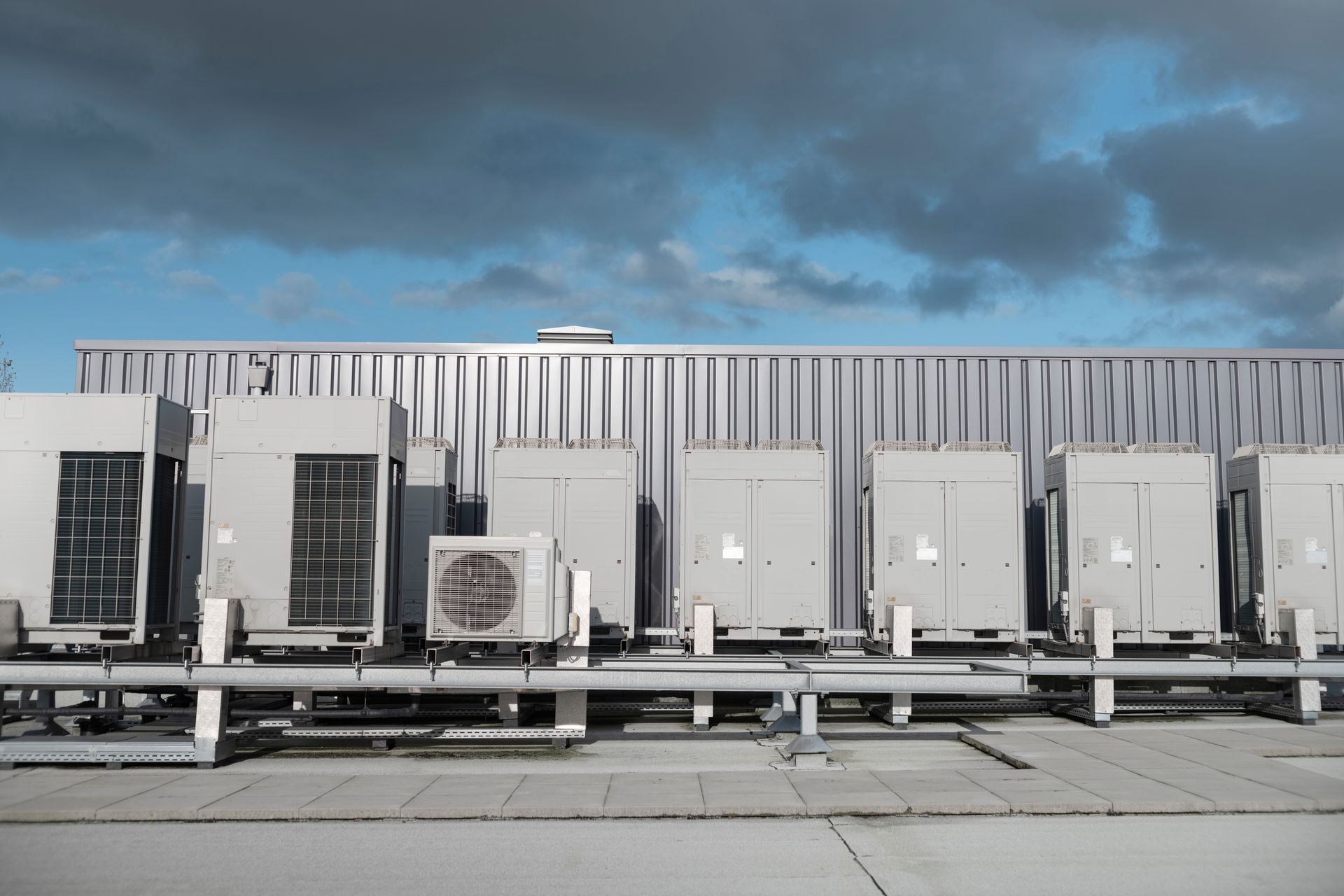
Rooftop HVAC units fail during business hours without warning, leaving retail customers, office employees, and warehouse workers without adequate heating or cooling until repairs complete. Commercial buildings throughout Virginia Beach rely on rooftop packaged units that combine heating, cooling, and ventilation components in single weather-resistant cabinets positioned above occupied spaces. RnR Solutions services these systems for retail centers, office buildings, warehouses, and commercial facilities where equipment accessibility and operational continuity directly affect business productivity. Regular maintenance catches developing problems before they cause complete shutdowns during peak business periods.
Rooftop units integrate compressors, heat exchangers, blowers, and control systems in compact housings designed for outdoor installation and simplified ductwork connections. Service involves diagnosing control board failures, replacing failed compressors, addressing refrigerant leaks, and restoring airflow through dirty coils and clogged filters. Replacement becomes necessary when heat exchangers crack, compressor failures occur in aging units, or efficiency degradation causes operating costs to exceed new equipment amortization.
Arrange a rooftop unit evaluation to assess current equipment condition and identify maintenance requirements that prevent unexpected operational disruptions.
What Changes After Rooftop Unit Service
Technicians access rooftop equipment using permanent ladders or building access hatches, performing diagnostics with gauges that measure refrigerant pressures, multimeters that test electrical circuits, and airflow meters that verify ventilation rates. Coastal salt air in Virginia Beach corrodes electrical connections and degrades coil fins faster than inland installations, which requires protective coatings and more frequent component inspection. Preventative maintenance schedules account for operating hours, environmental exposure, and manufacturer specifications to time service before reliability declines.
Following repair or installation, temperature consistency improves throughout the building, humidity control becomes more predictable, and equipment cycles normally rather than running continuously or short-cycling. Employees and customers notice stable comfort conditions regardless of outdoor weather, and utility bills reflect systems operating within expected efficiency parameters. Scheduled maintenance reduces emergency service calls and extends equipment life by addressing wear before components fail completely.
Commercial HVAC service includes emergency repair response, planned maintenance programs, equipment replacement planning, and energy efficiency assessments. Building owners balance repair costs against replacement benefits based on unit age, repair frequency, and efficiency improvements available in current equipment generations.
What Building Managers Usually Ask
Commercial property managers and business owners need to understand maintenance timing, replacement indicators, and service approaches that minimize disruption to daily operations.
What warning signs indicate rooftop unit problems before complete failure?
Increasing temperature complaints from occupants, rising utility costs without usage changes, unusual sounds from rooftop equipment, and inconsistent airflow between zones all signal developing issues requiring professional inspection.
How does preventative maintenance reduce unexpected downtime?
Scheduled inspections identify worn belts, failing bearings, refrigerant leaks, and control issues while equipment still operates, allowing planned repairs during off-hours rather than emergency service during business operations.
What factors determine rooftop unit replacement timing in Virginia Beach?
Salt corrosion on coastal installations shortens equipment life compared to manufacturer ratings, with units typically requiring replacement between twelve and eighteen years depending on maintenance history and exposure severity.
When should businesses consider maintenance contracts versus per-call service?
Buildings with multiple rooftop units, extended operating hours, or temperature-sensitive operations benefit from scheduled maintenance programs that include priority emergency response and predictable annual costs.
What makes rooftop installations different from ground-level equipment?
Exposure to direct sun, wind, rain, and salt spray accelerates component wear, requires weather-resistant construction, and demands secure roof mounting that prevents structural damage or water intrusion through penetrations.
RnR Solutions installs, repairs, and maintains rooftop HVAC units for commercial properties where reliable climate control supports business operations. Contact us to establish preventative maintenance schedules or evaluate aging equipment requiring replacement planning.