Building Systems That Support Business Operations
Commercial HVAC Equipment Service in Virginia Beach for operational disruptions when heating, cooling, or ventilation failures affect employee productivity and customer experience
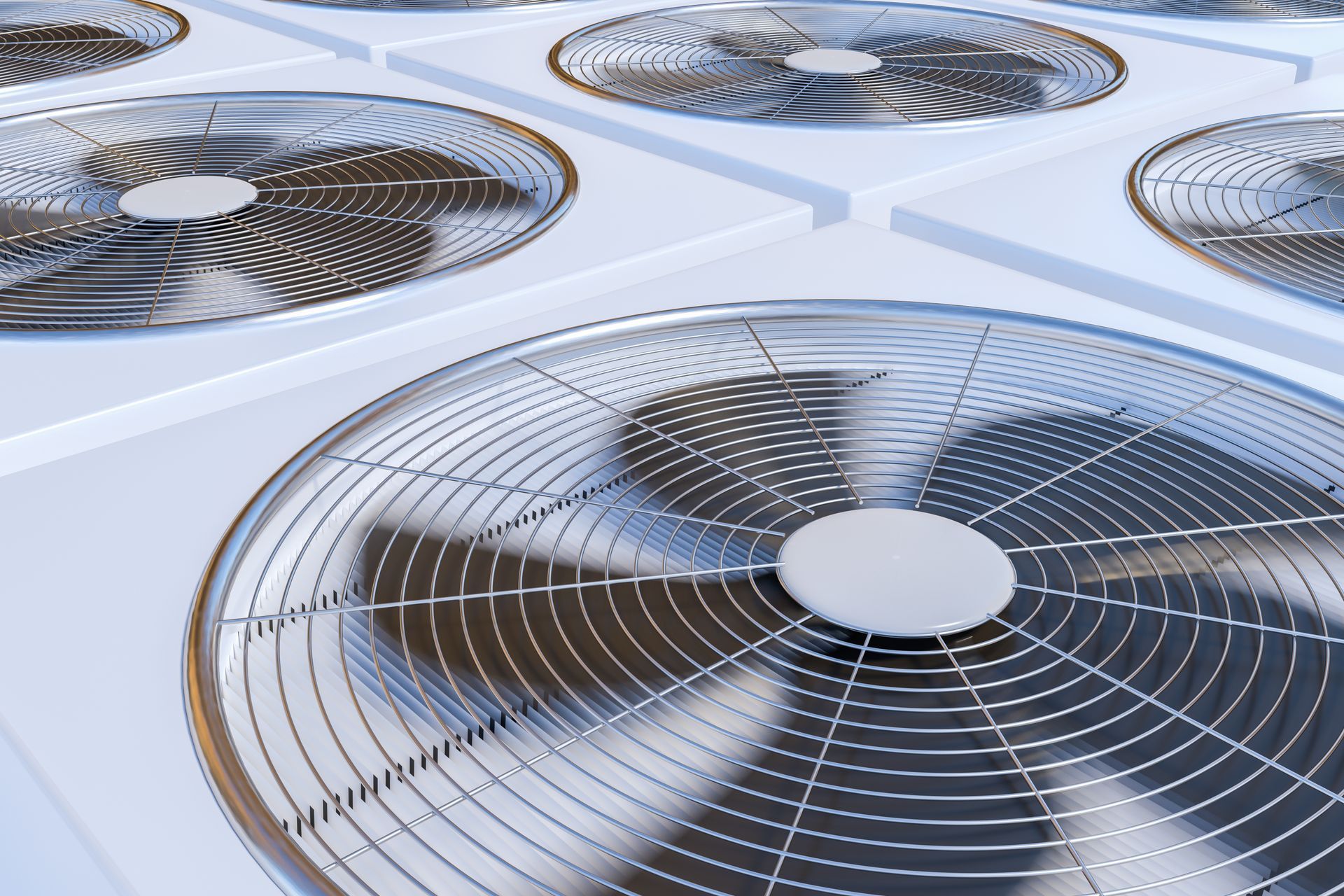
Commercial heating, cooling, and ventilation systems maintain environments where employees work efficiently and customers remain comfortable regardless of outdoor conditions. Equipment failures in retail spaces, office buildings, restaurants, and industrial facilities disrupt operations immediately, affecting everyone inside until technicians restore proper function. RnR Solutions services commercial HVAC systems throughout Virginia Beach, providing diagnostics, repairs, equipment replacements, and preventative maintenance programs that minimize downtime and extend equipment lifespan. Buildings with aging infrastructure or inadequate maintenance histories face higher failure rates during peak demand periods when business impact is most severe.
Commercial service covers everything from rooftop packaged units and split systems to boilers, chillers, and air handling equipment specific to each facility type. Diagnostics identify failed components, control issues, refrigerant problems, and airflow restrictions using pressure gauges, electrical meters, and computerized system analysis.
Preventative maintenance programs schedule inspections, filter changes, coil cleaning, and component testing based on equipment type, operating hours, and manufacturer recommendations rather than waiting for failures to occur.
Schedule a commercial HVAC inspection to review current equipment performance and develop maintenance strategies that prevent unexpected operational interruptions.
What Proper Commercial HVAC Service Accomplishes
Technicians evaluate commercial systems differently than residential equipment, accounting for longer daily runtimes, higher capacity requirements, and building occupancy patterns that affect load calculations. Service includes belt tension adjustments, bearing lubrication, electrical connection tightening, and control calibration that residential systems don't require. Warehouse ventilation systems demand different service approaches than restaurant kitchen exhaust, retail space conditioning, or office building climate control.
After service completion, temperature complaints from employees and customers decrease, equipment operates with normal sound levels and cycling patterns, and energy bills align with building occupancy and weather conditions. Planned maintenance intervals replace reactive repair calls, allowing facilities managers to budget predictably rather than handling emergency expenses during breakdowns. Documentation tracks service history, component replacements, and performance trends that inform future equipment decisions.
Commercial HVAC programs often include priority emergency response, discounted labor rates, and comprehensive equipment coverage that residential service agreements don't provide. Property managers evaluate programs based on equipment value, business disruption costs, and historical repair frequency for their specific building types and usage patterns.
Questions About Commercial HVAC Service
Building owners, facility managers, and business operators considering service options want to understand maintenance benefits, cost structures, and service approaches before committing to programs.
What separates commercial HVAC service from residential approaches?
Commercial equipment operates longer hours under higher loads, requires three-phase electrical knowledge, involves more complex controls, and demands faster emergency response to minimize business disruption and revenue impact.
How do maintenance programs reduce total facility costs?
Scheduled service prevents minor issues from becoming major failures, extends equipment life by maintaining manufacturer specifications, and reduces energy waste from systems operating below design efficiency due to neglected maintenance.
What documentation helps plan commercial equipment replacement?
Service records showing repair frequency, maintenance logs tracking component replacements, utility bills revealing efficiency trends, and age comparisons against manufacturer lifespan ratings all inform replacement timing decisions.
When should buildings upgrade rather than repair aging HVAC systems?
Equipment requiring repeated compressor repairs, systems using obsolete refrigerants facing supply restrictions, or units with efficiency ratings significantly below current standards typically justify replacement rather than continued repair investment.
How does Virginia Beach climate affect commercial equipment maintenance frequency?
Coastal salt exposure, high humidity levels, and extended cooling seasons require more frequent coil cleaning, electrical connection inspection, and protective coating applications compared to service intervals recommended for moderate inland climates.
RnR Solutions provides comprehensive commercial HVAC service for businesses throughout Virginia Beach requiring reliable climate control systems. Reach out to discuss maintenance programs, emergency repair response, or equipment replacement planning tailored to your facility's specific operational requirements.